Turn the water off.
Then call this number.
In that order. Stopping the water is the single most useful thing you can do in the first two minutes, and it costs nothing. Then ring us and we will talk you through the rest while Ron is getting his boots on.
Tap the number on a phone and it dials. Ron answers his own emergency line.
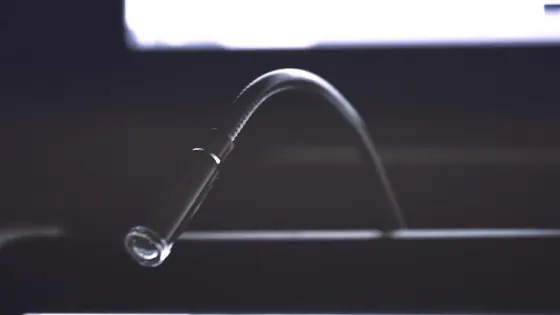
FIRST TWO MINUTES
Where your shutoff is,
in a Tracy area house.
Find it now, while nothing is wrong, and show whoever else lives there. The middle of a flood is a terrible time to be learning this.
The fixture stop
Under the sink or behind the toilet there is a small oval or football shaped handle on the supply line. Turn it clockwise until it stops. If only one fixture is involved, this is all you need and you can leave the rest of the house with water.
The main house valve
Usually on the exterior wall nearest the street side, often in the garage, sometimes in a small access panel. Around here it is frequently by the water heater or on the front of the house behind a shrub. Clockwise to close.
The meter box
A rectangular lid in the parkway or the front lawn, flush with the ground. Lift it with a screwdriver. There is a valve on the street side of the meter. If the handle is parallel with the pipe it is open, turn it so it sits across the pipe.
If you smell gas, do not use the shutoff and do not use a light switch. Get everybody outside, leave the door open behind you, and call PG&E on 1-800-743-5000 from outside the house. Once they have made it safe, we can deal with the line itself.
WORTH CALLING OUT FOR
These are emergencies
- Water running that you cannot stop, from any pipe or fixture
- Sewage backing up into a tub, shower or floor drain
- No water at all in the house
- A water heater leaking from the tank body rather than a fitting
- A burst supply line behind a wall or under the slab
- Any smell of gas, after you have called PG&E first
- A blocked main line in a house with only one bathroom
CHEAPER ON TUESDAY
These can wait for an appointment
- A dripping faucet, however irritating the sound is
- A toilet that runs on but still flushes
- One slow drain when the rest of the house is fine
- Water pressure that is disappointing but steady
- A water heater that is working but making noise
- A garbage disposal that has jammed
None of these get worse overnight. Book them into a normal appointment and you will pay the normal rate for a normal hour.
Book a normal appointment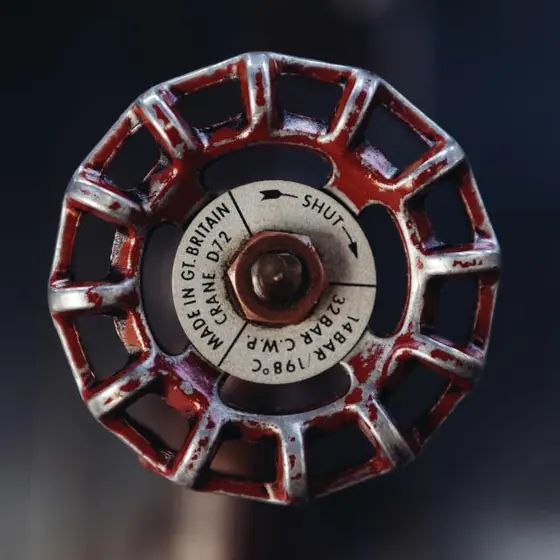
WHAT AN EMERGENCY COSTS
The rate does not double because it is dark.
Emergency work is billed at the same $175 an hour, with the same one hour minimum. There is no after hours multiplier and no weekend surcharge invented at the door.
What does change is what the job involves. An emergency usually means opening something up to find the problem, and parts may need to come from stock rather than being picked in the morning. Ron will tell you what he is seeing and what it is likely to run before he starts.
If it turns out to be a fifteen minute fix, it is still billed as one hour. That is the minimum, and it is the honest trade for someone driving out at midnight.
IF YOU CANNOT TALK RIGHT NOW
Send it through and
we will ring you.
Calling is faster and we would rather you called. But if you are somewhere you cannot speak, fill this in and Cassie will call you straight back.
Emergency questions
Still leaking?
Stop reading and ring the number. We will work the rest out when we get there.